
Workshops & Retreats
Space for your inner process
Holotropic Breathwork in Slovenia
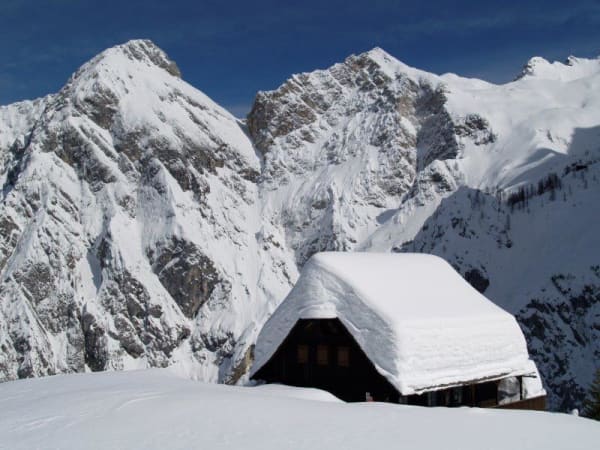
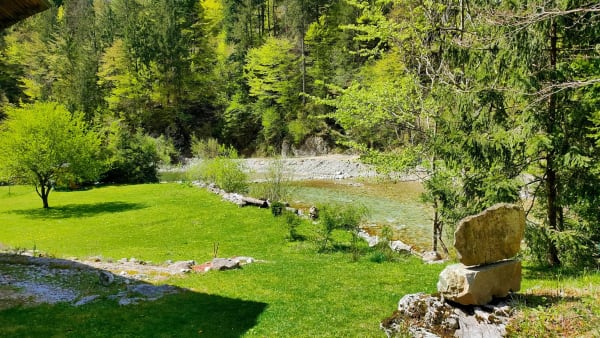
A wonderful retreat center in the heart of the Kamnik-Savinja Alps
Discover a weekend intensive designed in the style of a retreat, in the heart of Slovenia. Set aside two full days to step away from everyday life and immerse yourself in focused, experiential work within a supportive group. Learn more about our center.
Upcoming Workshops 5
See what's happening at the Velosimed center.

Intenzivna delavnica holotropnega dihanja - november 2026
Kaj je holotropno dihanje: Holotropno dihanje™ je močan pristop k samoraziskovanju in osebnemu opolnomočenju, ki temelji...
Velosimed Center, Preddvor

Holotropic Breathwork Integration Workshop: December 2026
To je posebna delavnica holotropnega dihanja za izkušene holonavte, ki želijo poglobiti integracijo in razumevanje (v širšem pomenu besede) svojih dosedanjih holotropnih potovanj. Lahko gre za vaše holotropno delo, opravljeno z holotropnim dihanjem, psihedelično terapijo
Velosimed Center, Preddvor
Intensive Holotropic Breathwork Workshop - January 2027
What is Holotropic Breathwork:Holotropic Breathwork™ is a powerful approach to self-exploration and personal empowerment...
Velosimed Center, Preddvor
Discover Holotropic Breathwork in Slovenia
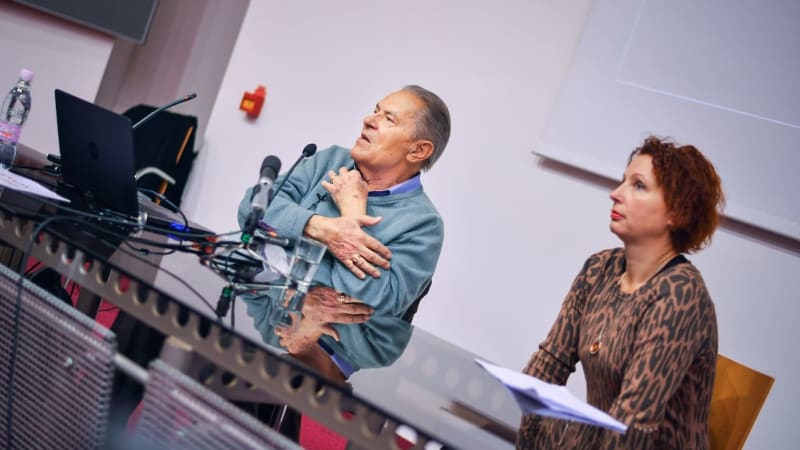
The work of Stanislav Grof
The founder of Holotropic Breathwork and of a new cartography of the human psyche
Read more →

Our Team
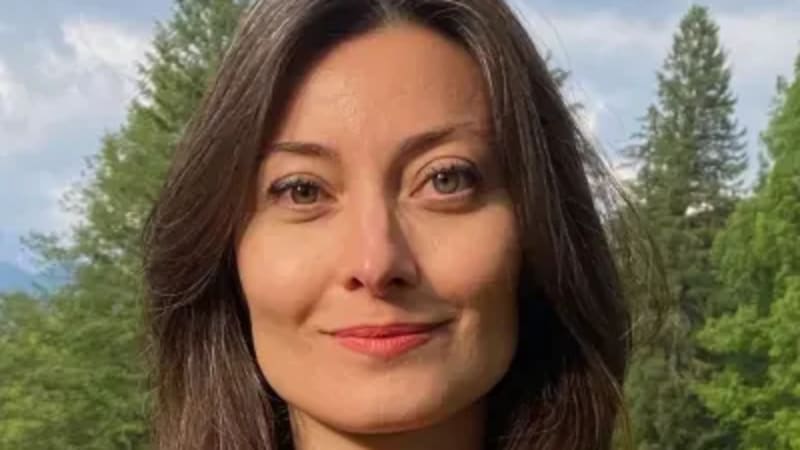
Maja Petrović Šteger
Maja has always been interested in the conditions, both societal and personal, of people seeing the world and coming to...
View profile →

Frequently Asked Questions About Holotropic Breathwork
Does Holotropic Breathwork involve drugs?
Ne. Nikoli.
Grof je bil eden prvih in najbolj cenjenih raziskovalcev klinične uporabe LSD. Kot freudovski analitik in psihiater je postal prepričan, da ima LSD terapevtsko vrednost kot katalizator ozdravitvenega potenciala nezavednega. Grof je zdravljenje z LSD izvajal na Inštitutu za psihiatrične raziskave v Pragi od leta 1960 do 1967, z delom pa nadaljeval na univerzi Johns Hopkins v Baltimoru. Delal je s psihiatričnimi bolniki, bolniki z rakom in odvisniki od drog, pa tudi z umetniki in znanstveniki, ki so jih zanimale globlje razsežnosti njihovega uma.
Takrat so z LSD delali na različne načine, vendar je bila Grofova metoda izjemna po zelo varnem okolju in osredotočenosti na notranje doživljanje. Pacient je ležal z zaprtimi očmi, poslušal glasbo in ga sta ves čas spremljala dva klinika. Poudarek je bil torej na notranji izkušnji, ne na interakciji ali psihodinamičnem doživljanju, in na dostopu do nezavednega prek izkušnje, ne z intelektom, besedami ali analizo. Grof je opažal in poročal o izjemnih terapevtskih koristih tega procesa za svoje paciente. Poleg tega je spoznal, da ta stanja zavesti niso niti približno tako neobičajna, kot se zdi: večina predindustrijskih kultur je imela kakšen kulturno sprejet način, kako občasno vstopiti v ta stanja, da bi spodbudili ozdravitev ali našli modrost, pri čemer so kot katalizator uporabljali npr. bobnanje, naravne psihedelike, meditacijo ali post. Grofove klinične raziskave LSD so bile zelo obetavne, a zaradi uličnega uživanja te droge in njenega spodbujanja s strani manj treznih osebnosti, kot je Timothy Leary, je bila neklinična uporaba v ZDA leta 1967 prepovedana, klinične raziskave pa so se končale leta 1975. Zato je svojo pozornost usmeril k drugim metodam za doseganje nenavadnega stanja zavesti in se odločil za globoko, hitro dihanje. To je osnova holotropnega dihanja (Holotropic Breathwork™). Čeprav ima holotropno dihanje po okolju in namenu nekaj podobnosti z Grofovim delom z LSD, seja holotropnega dihanja nikakor ne vključuje drog. Kot pri številnih oblikah joge ga poganja zgolj dihanje s hitrostjo, ki jo določa udeleženec.
Is the facilitator a healer?
The core principle of Holotropic Breathwork is that healing comes from within the person. In the holotropic model, this trust is raised to a level rarely seen before, and it empowers the participant. Facilitators do not see themselves as healers or as therapists. They are more like midwives, supporting a process that has its own wisdom. Leading a Holotropic Breathwork workshop is an intensive exercise in "not knowing." I remember Grof saying that facilitator training takes at least two years because it takes at least that long to realize how little you know, and that the human mind is infinite.
Grof believes that the psyche has an inner "radar" which, given the chance, can select the experience we most need for our development at that particular moment. No one can know in advance what that experience will be. Take, for example, a client caught in a pattern of anger toward her mother: what would be best to prescribe? A bioenergetic therapist might encourage her to express her rage. A Buddhist teacher might encourage her to practice compassion. A Jungian might encourage her to enter into a dialogue with an image of her anger. Kundalini yoga might encourage her to channel the anger into a higher form. A Holotropic Breathwork facilitator would simply say: "Keep breathing and discover what opens up for you." The answer is specific to the client and to that moment.
It is always tempting to think that we "know best." This is especially true for anyone working in the helping professions. A Holotropic Breathwork facilitator, however, is trained in not knowing. Of course, many people have great gifts in their chosen methods, whether craniosacral therapy, Reiki, bioenergetics, psychodynamic psychotherapy or aura cleansing, but these would never be used in a client's process at a holotropic workshop. "Healing someone" is a lovely thing, but within the framework of a Holotropic Breathwork workshop it would count as an abuse of power. Every participant should leave the workshop with a sense of personal power: with the discovery that they carry the answers within themselves, rather than that so-and-so is a "great healer." A Holotropic Breathwork facilitator is not expected to heal, and should not encourage the idea that they are a healer. The facilitator of a Holotropic Breathwork session is there to help, support and encourage clients to find their own way.
Many participants come to a Holotropic Breathwork workshop wanting to be "healed," or with an unconscious need to find a guru. This can be a trap for both client and facilitator. A good facilitator will resist this projection and gently encourage the client to look for the answer within. Of course, some facilitators have a strong healing presence, or perhaps a gift of "seeing" or understanding. But all good Holotropic Breathwork facilitators should hold this firmly: the facilitator's role lies in not knowing and in creating a space in which individuals find the answers themselves.
Is Holotropic Breathwork a kind of shamanism?
No. Holotropic Breathwork (Grof® Breathwork) is a contemporary approach to self-exploration developed by Stanislav and Christina Grof. Its theoretical background draws on depth and transpersonal psychology and on the study of non-ordinary states of consciousness. Although the Grofs recognized the importance of various spiritual and healing traditions, Holotropic Breathwork is not a shamanic tradition or a continuation of one.
The term "shamanism" also calls for caution. It is often used to group together very different traditions, each tied to specific communities, their languages, histories, rituals and ways of understanding the world. These traditions cannot be reduced to a single method or merely to techniques for reaching non-ordinary states of consciousness. Nor can traditional practices automatically be equated with contemporary workshops that present themselves as shamanic.
Some points of contact do exist: working with non-ordinary states of consciousness, the importance of music or rhythm, and the possibility of deeply meaningful experiences. But a resemblance between individual elements does not mean the same purpose, the same understanding of the experience, or the same role for the practitioner.
In Holotropic Breathwork, participants explore their own inner process supported by breathing, music and a carefully prepared setting. The facilitator supports their autonomy and follows what unfolds, without prescribing the content of the experience or imposing a spiritual interpretation on it. Taking part does not require accepting any particular belief or cosmology. And an experience that reminds a person of a certain tradition does not in itself mean they know that tradition or are qualified to practice it.
An ethical stance is essential when making comparisons. Respecting cultural and spiritual traditions means acknowledging their origins, listening to those who carry them, and honoring their rights and boundaries regarding the use of knowledge, rituals, symbols and music. Spiritual openness alone does not give permission for cultural appropriation or for speaking on behalf of other communities. It is therefore not appropriate to present HB as an improved, more universal or superior version of these traditions.
Ethical responsibility in Holotropic Breathwork also includes informed consent, respect for personal boundaries, confidentiality, awareness of power dynamics, and appropriate preparation, support and integration of the experience. Respectful dialogue between different approaches is possible precisely when their distinct characteristics are clearly recognized and preserved.
What makes our retreats special?
Small Groups
We keep our retreats small so that every participant has plenty of support.
Experienced Guidance
Each of our facilitators has a decade of experience creating spaces that support expanded states of awareness.
Format 2 + 2
A fully immersive holotropic breathwork experience, where sitting can be just as powerful as breathing.