
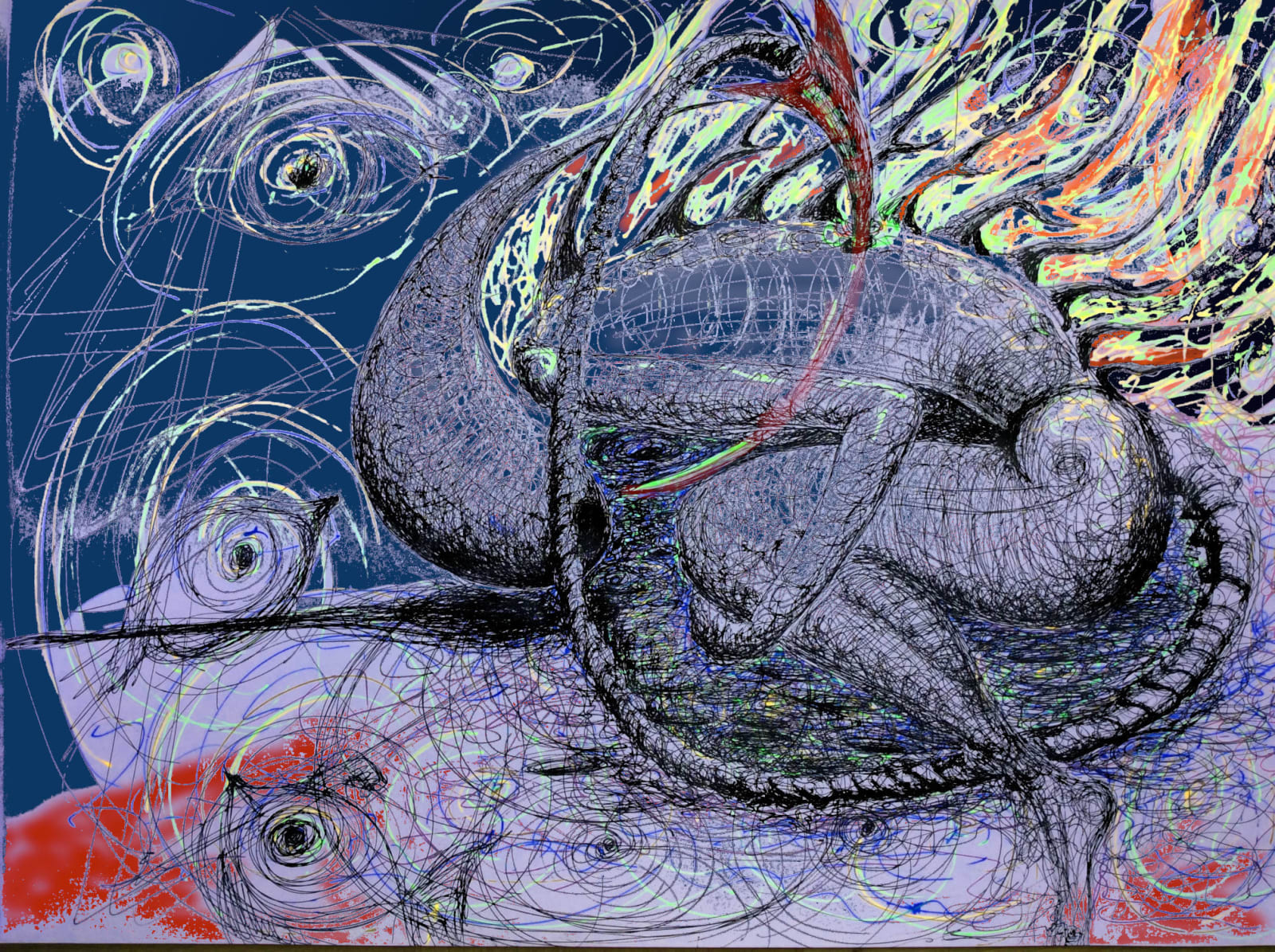
Is Holotropic Breathwork just about reliving trauma?
One of the most common misconceptions about holotropic breathwork is that it is only about recovering from trauma. It is sometimes understood mainly as a way of processing traumatic experiences. Its purpose, however, is broader. In Grof's approach, it is designed as an experiential exploration of the self that can include physical and emotional experience, ...
Holotropic breathwork is sometimes understood mainly as a way of processing traumatic experiences. Its purpose, however, is broader. In Grof's approach it is conceived as an experiential exploration of the self, which can include bodily and emotional experience, personal history, symbolic content, and experiences that a person perceives as spiritual or transpersonal. Working with the consequences of trauma can be part of this exploration, but it is not its only purpose.
People come to workshops for different reasons. Some seek support in times of emotional distress, loss, a life transition, or recurring difficulties in relationships. Others are led by curiosity, a wish for deeper contact with themselves, an exploration of creativity, questions of meaning, or a spiritual search. You do not need a recognized history of trauma to be interested in holotropic breathwork. Whether participation is suitable, however, must be judged in light of each person's physical and mental health.
The experiences themselves can also vary greatly. Strong emotions, bodily sensations, images or memories may arise, but so can peace, tenderness, grief, a sense of connection, or simply rest. The drama of an experience is not in itself a measure of its value. Sometimes the important shift is precisely that a person, for the first time, feels safe enough that there is nothing they need to achieve.
When content arises that a participant experiences as memories, particular care is needed. The vividness of an image, the strength of an emotion, or a pronounced bodily reaction does not in itself prove the historical accuracy of what is experienced. Memories, expectations, imagination and symbolic content can intertwine in an experience. This does not mean that abuse or another trauma did not happen; it means that we cannot reliably infer what actually occurred from what happens during a session alone.
The facilitator's task is to take a person's experience seriously and accompany it without imposing an interpretation. They do not confirm an alleged event as fact, do not rule out its possibility, and do not steer the participant toward searching for "hidden" traumas. They help the person explore the meaning of the experience, while allowing room for uncertainty. Respect for a person's experience can coexist with caution about how it is interpreted.
When working with traumatic content, it is important to distinguish between processing and being overwhelmed. Strong emotional expression or re-experiencing does not guarantee that the experience is being integrated and resolved. Trusting a person's inner self-healing capacities does not rule out the possibility of destabilization or retraumatization. Research on intensive breathing practices points to the importance of careful assessment of suitability, preparation, trained accompaniment, and support after the experience.
Participants must be able to express their boundaries, slow down or stop the intensive breathing, and ask for help. Non-directive accompaniment includes responsiveness to their state; it does not mean passivity in the face of being overwhelmed. No one should feel pressure to relive a trauma, reach catharsis, or persist beyond their capacities.
Even the repetition of the same theme is not automatic proof of progress. It may open new layers of understanding, but it may also show that a person needs different support, a slower approach, or more time for integration. If someone remains markedly destabilized after workshops, or their difficulties intensify, further work needs to be reassessed.
It therefore makes sense to understand holotropic breathwork as one possible path of self-exploration. Spiritual exploration, personal development and psychotherapeutic work can complement one another, but they have different goals and require appropriate competence from practitioners. A workshop does not replace necessary psychotherapeutic or medical treatment.
Sometimes an experience sheds light on something from the past; at other times it opens a question about present life or brings a new sense of possibility. We can understand it as the next piece of a picture whose meaning becomes clear gradually, through relationships, everyday choices, and the time we devote to integration.